Ignacio Buse’s sudden fortune: now what?
May 28, 2026
The World Cup has 1,400 players. How many have over $80 million in net worth?
June 10, 2026Ignacio Buse’s sudden fortune: now what?
May 28, 2026The World Cup has 1,400 players. How many have over $80 million in net worth?
June 10, 2026Ignacio Buse’s sudden fortune: now what?
May 28, 2026The World Cup has 1,400 players. How many have over $80 million in net worth?
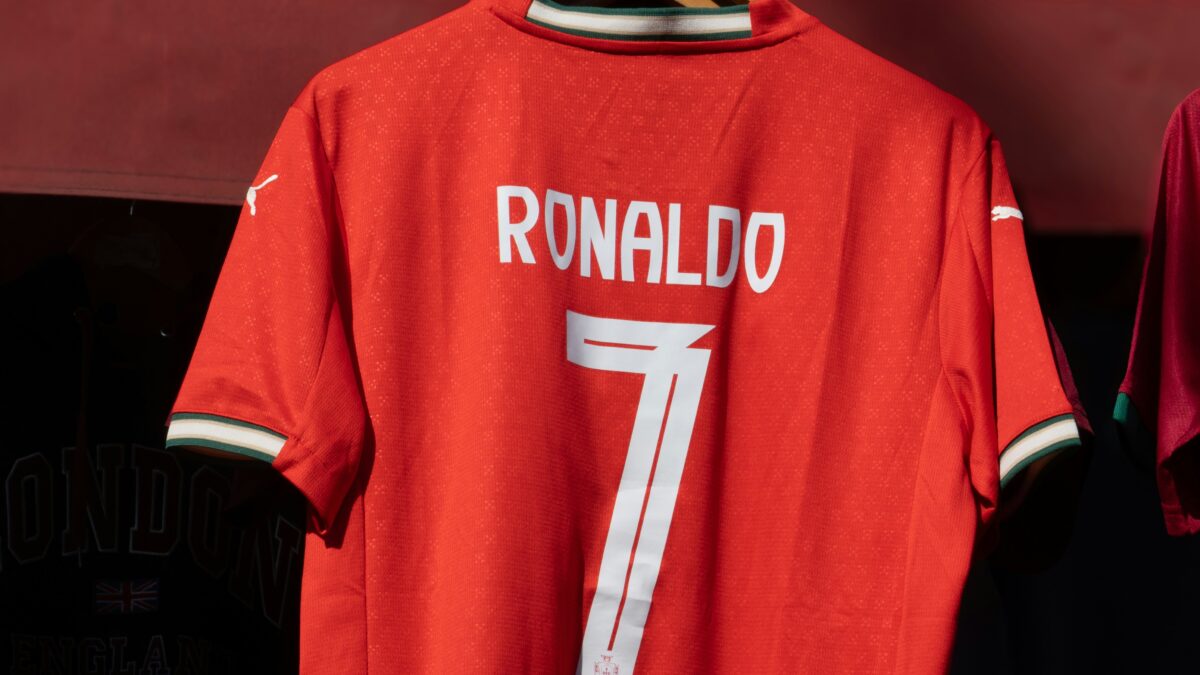
June 10, 2026Forbes released its annual ranking this week of the highest-paid athletes in the world. Cristiano Ronaldo tops the list for the fourth consecutive year, with estimated earnings of USD 300 million over the past twelve months. A remarkable figure by any standard (Yahoo Sports).
For elite athletes, income is often the most visible part of a far more complex equation. Forbes measures on-field earnings, including salaries, bonuses and prize money, alongside off-field income such as endorsements, licensing agreements and merchandising. All of it calculated before taxes and representation fees. What remains after that chain of deductions is a picture that is rarely discussed (Face2Face Africa).
Ronaldo reportedly earns USD 235 million from his contract with Al-Nassr, in addition to USD 65 million generated off the field. LeBron James, ranked fourth with USD 137.8 million, derives most of his income from endorsements and investments linked to brands such as DraftKings, Hennessy and Richard Mille. Lionel Messi, meanwhile, maintains a near-even balance between sporting and commercial income (Bleacher ReportBleacher Report).
Each of these profiles carries a different tax, succession and wealth-planning reality. An athlete whose earnings are concentrated in a single contract in Saudi Arabia faces very different considerations from one whose endorsement portfolio spans multiple jurisdictions. The relevant question is not how much comes in, but how what comes in is structured.
The Forbes list captures a moment in time. It does not capture:
Earning USD 100 million in a single year without the right structure in place can, in many cases, be riskier than earning less with proper planning. Professional sport is full of stories of athletes who reached the top, only to discover there was no safety net on the way down.
At EVOLVE, this is precisely where we focus: the difference between what a ranking reflects and what ultimately remains.
We help athletes and artists navigate international structuring, tax and succession planning, and long-term wealth protection during the most visible and demanding stages of their careers.
Because the best time to plan is not when a career comes to an end.
It is when the ranking says you are at the top.